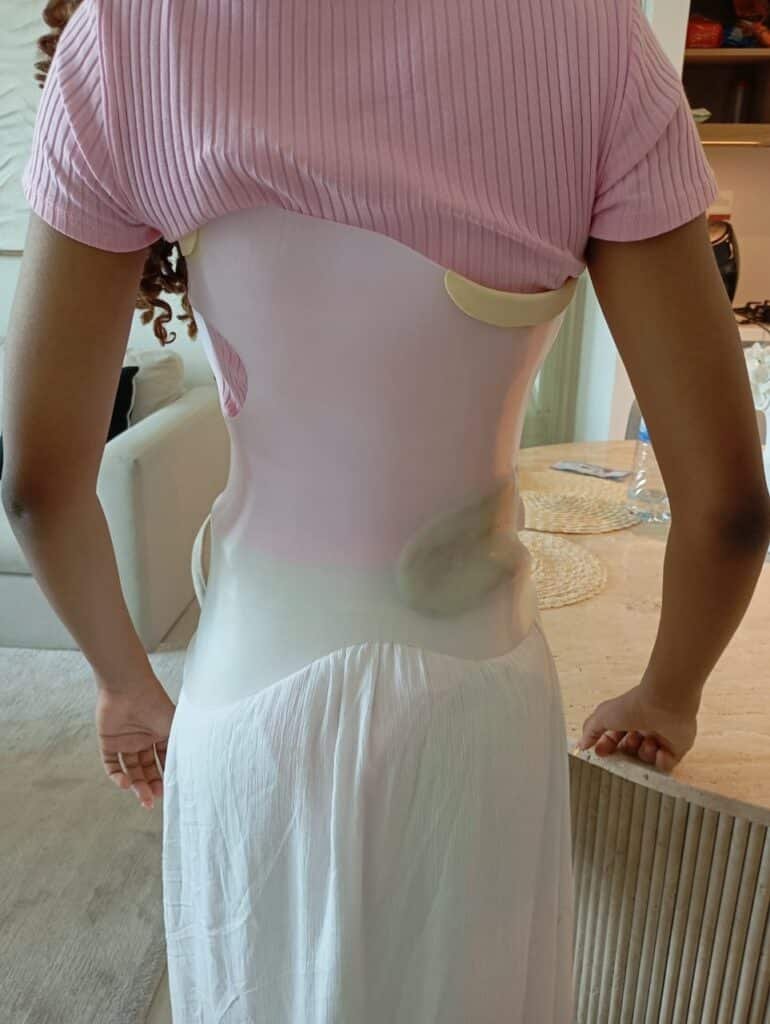
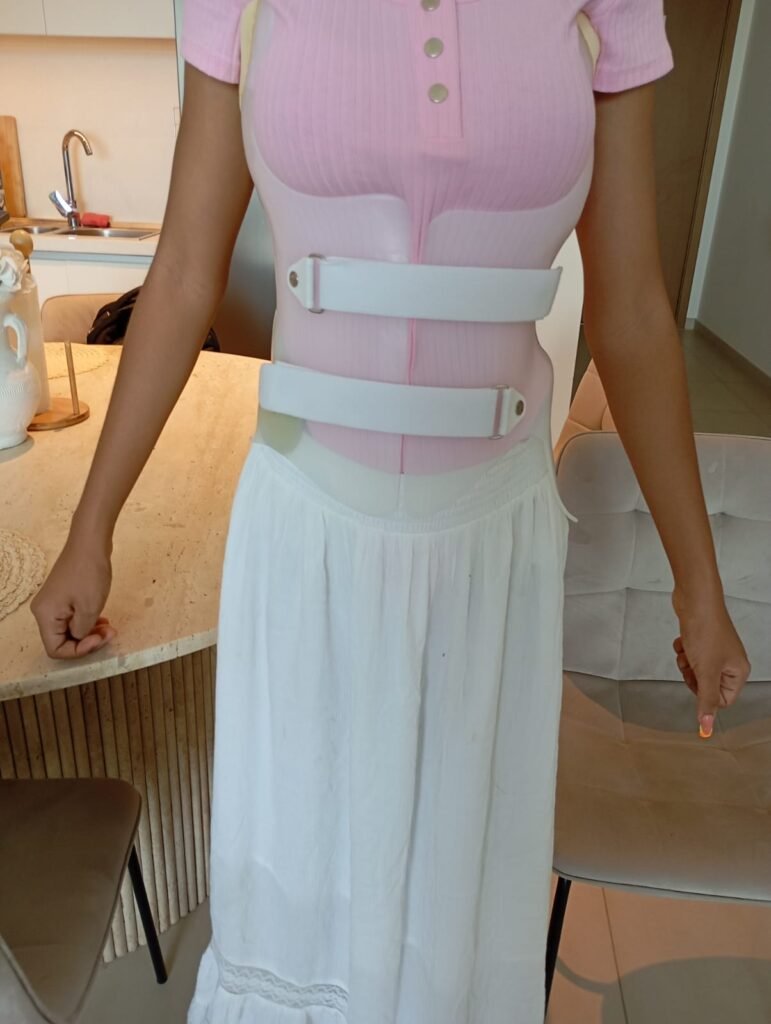
ඔබට හෝ ඔබගේ නව යොවුන් වියේ පසුවන දරුවාට ඉදිරියේදී Scoliosis Brace (කොන්ද ඇදවීම පාලනය කරන ආධාරකයක්) එකක් පැළඳීමට සිදුවන බව දැනගන්නට ලැබුණහොත්, ඔබට දැඩි කනස්සල්ලක්, කලකිරීමක් සහ මෙය අවසන් වන දිනයක් පිළිබඳව ලොකු බලාපොරොත්තුවක් ඇතිවීම සාමාන්ය දෙයකි. මේ සම්බන්ධයෙන් ඕනෑම අයෙකු අසන පළමු ප්රශ්නය වන්නේ, “මට මේක කොච්චර අවුරුදු ගණනක් අඳින්න වෙයිද?” යන්නයි.
අපි සෘජුවම පිළිතුර වෙත යමු: මේ සඳහා එකම නිශ්චිත කාල සීමාවක් නොමැති වුවද, බොහෝ දෙනෙකුට වසර 2 සිට 5 දක්වා කාලයක් මෙම ආධාරකය පැළඳීමට සිදුවේ.
මෙම නිශ්චිත කාලරාමුව තීරණය වන්නේ දින දර්ශනයකින් නොව, සම්පූර්ණයෙන්ම ඔබගේ අස්ථි වර්ධනය මතය. ඔබගේ අස්ථි වර්ධනය වීම නතර වූ විට මෙම ආධාරකය පැළඳීමේ ගමන අවසන් වේ.
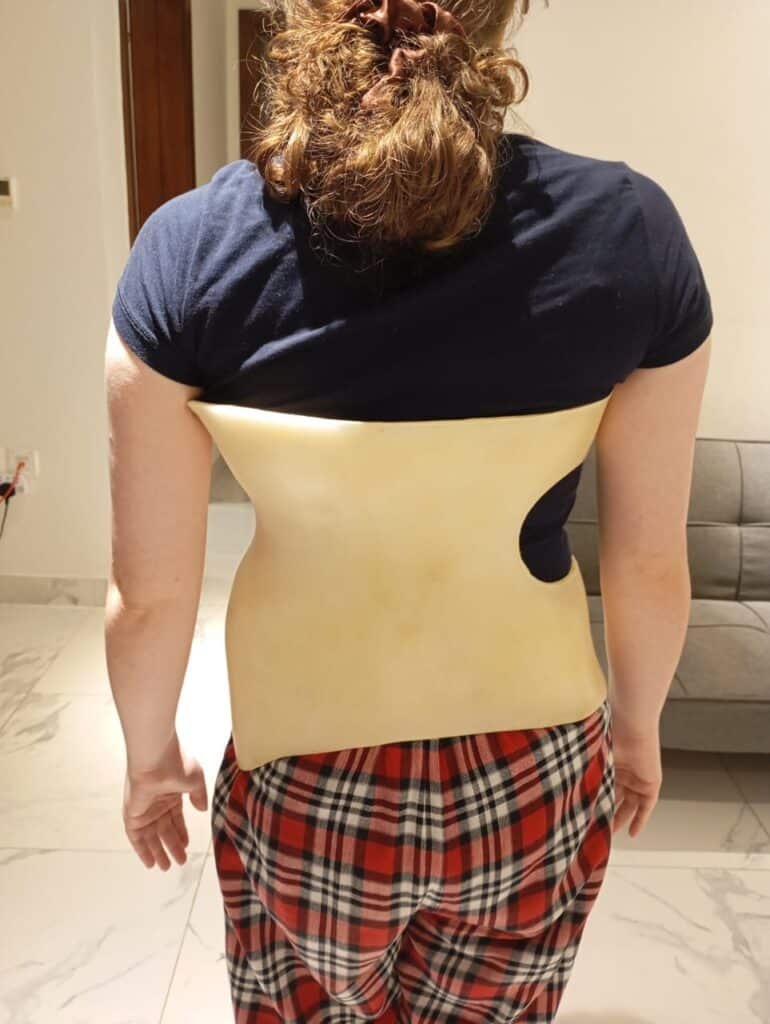
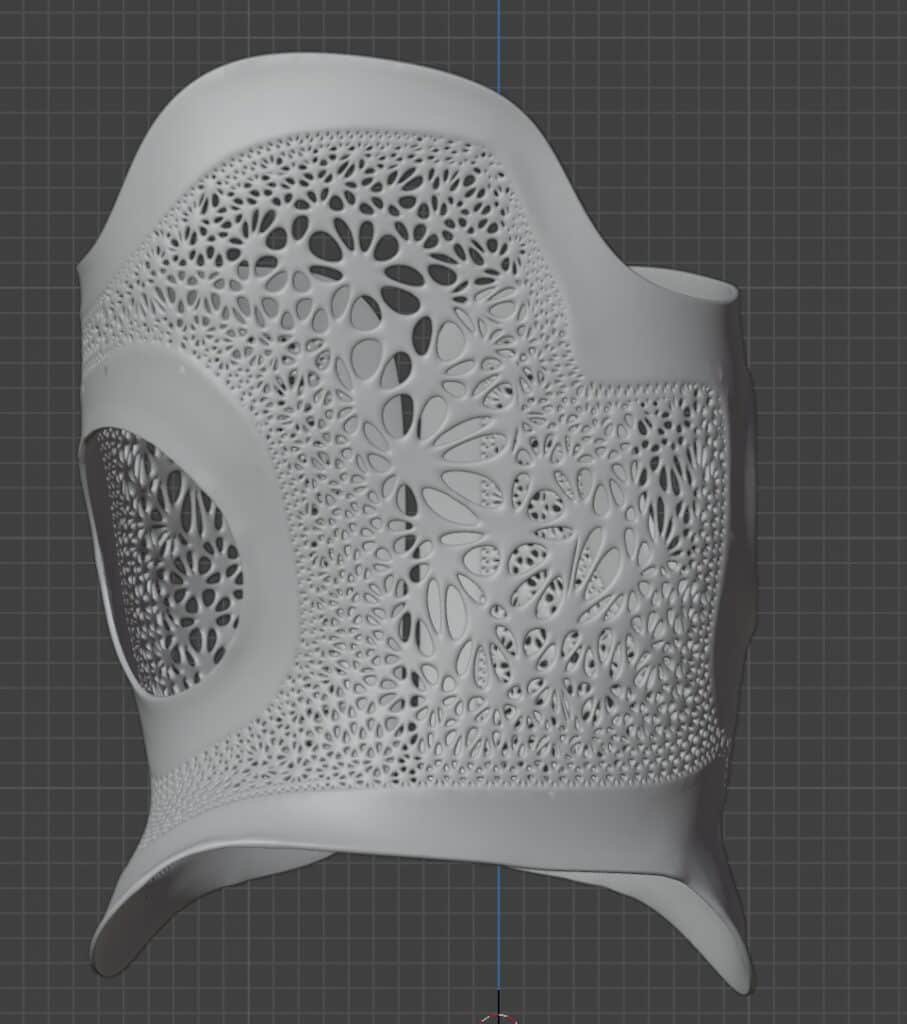
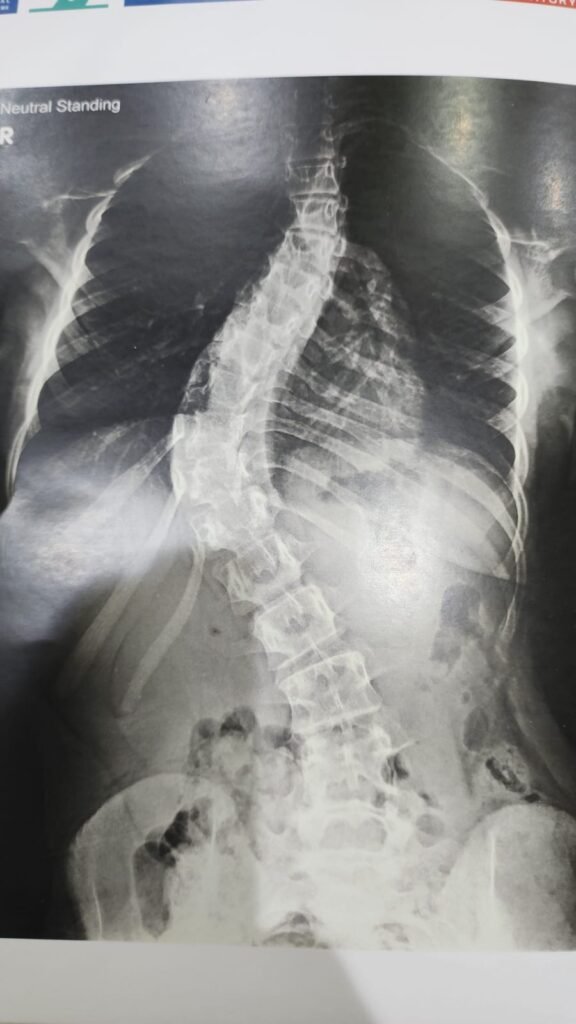
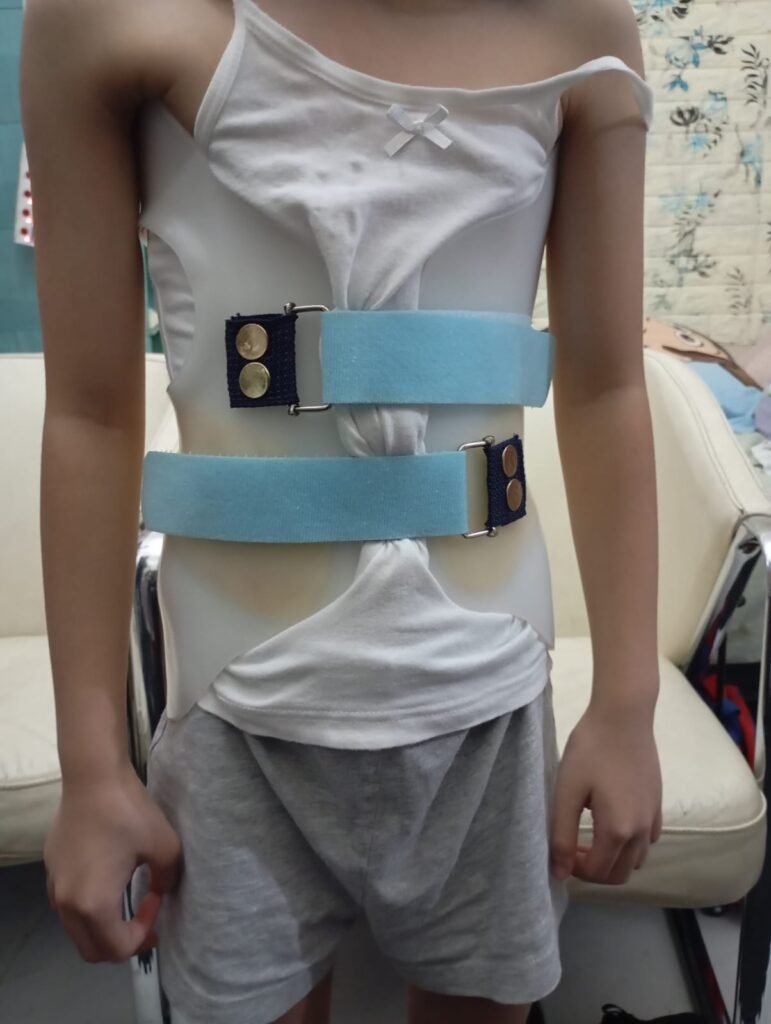
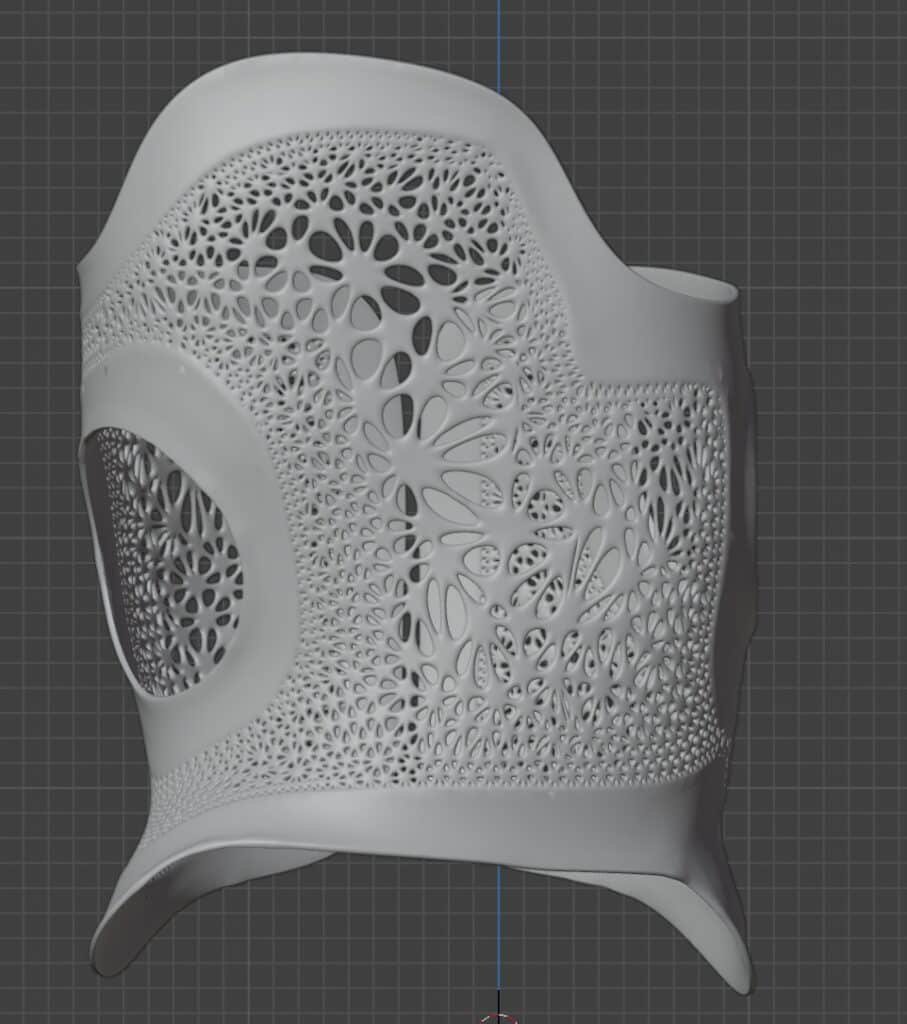
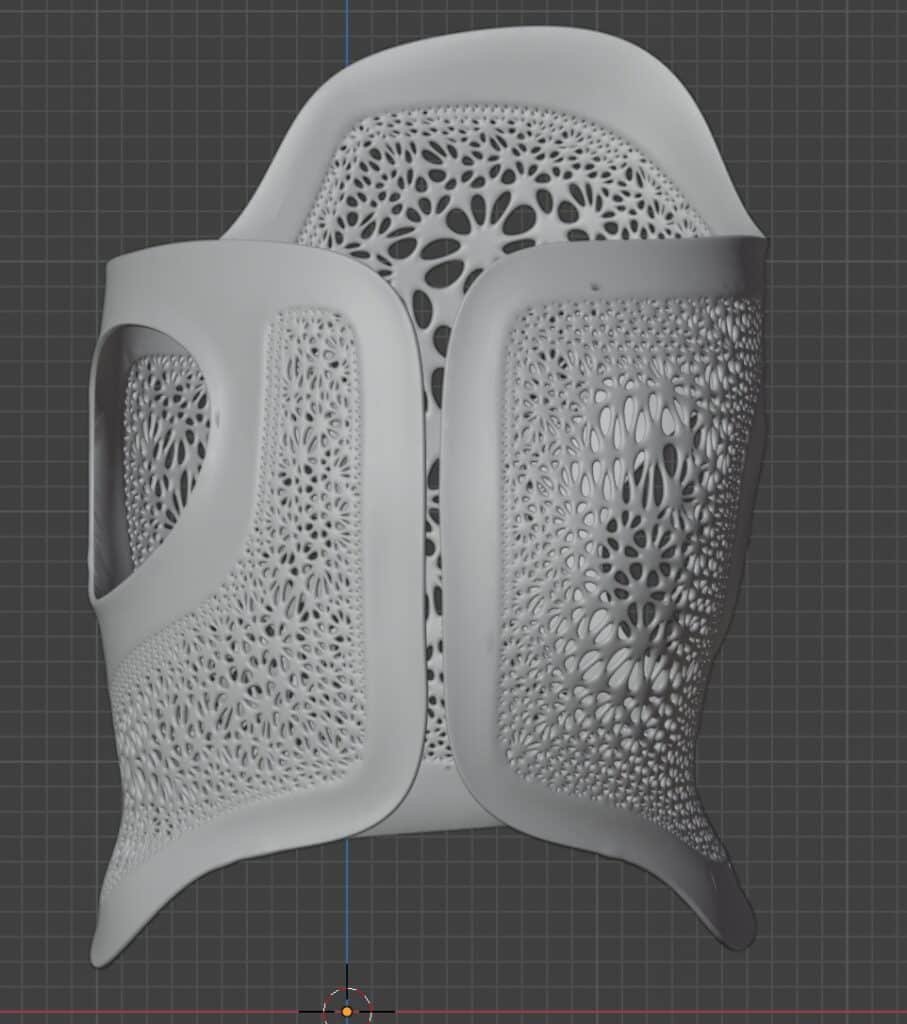
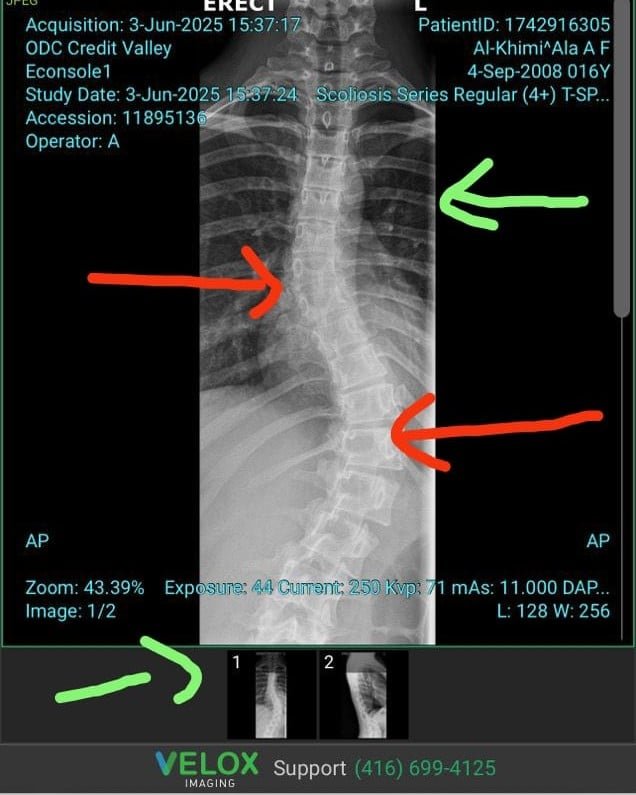
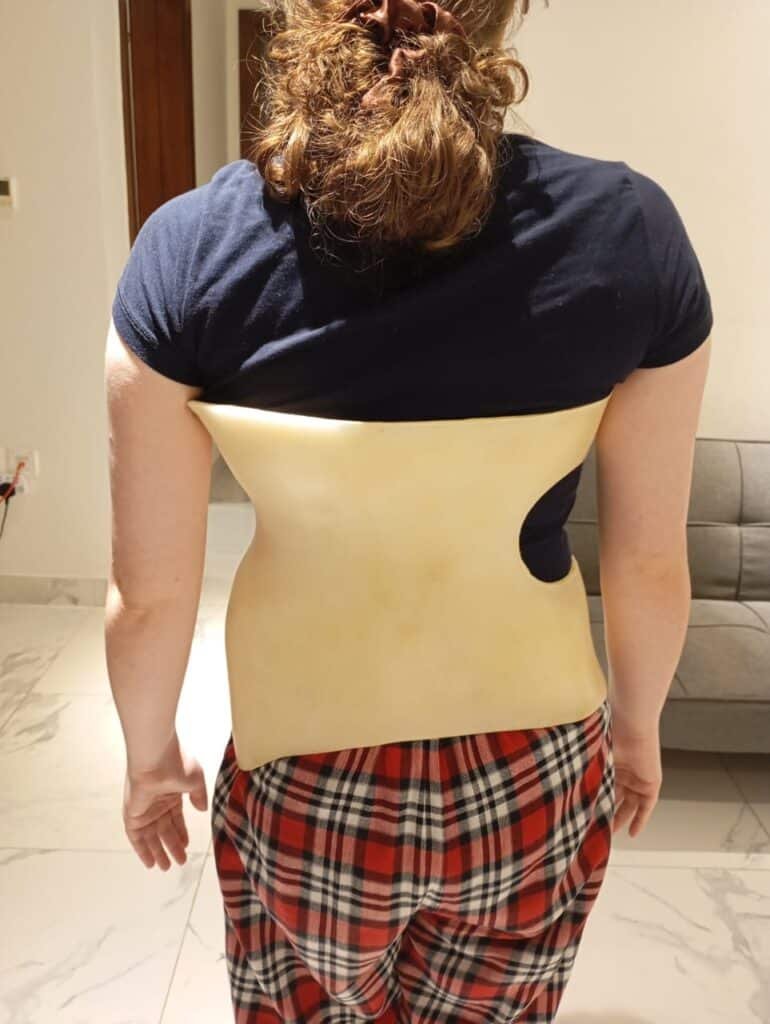
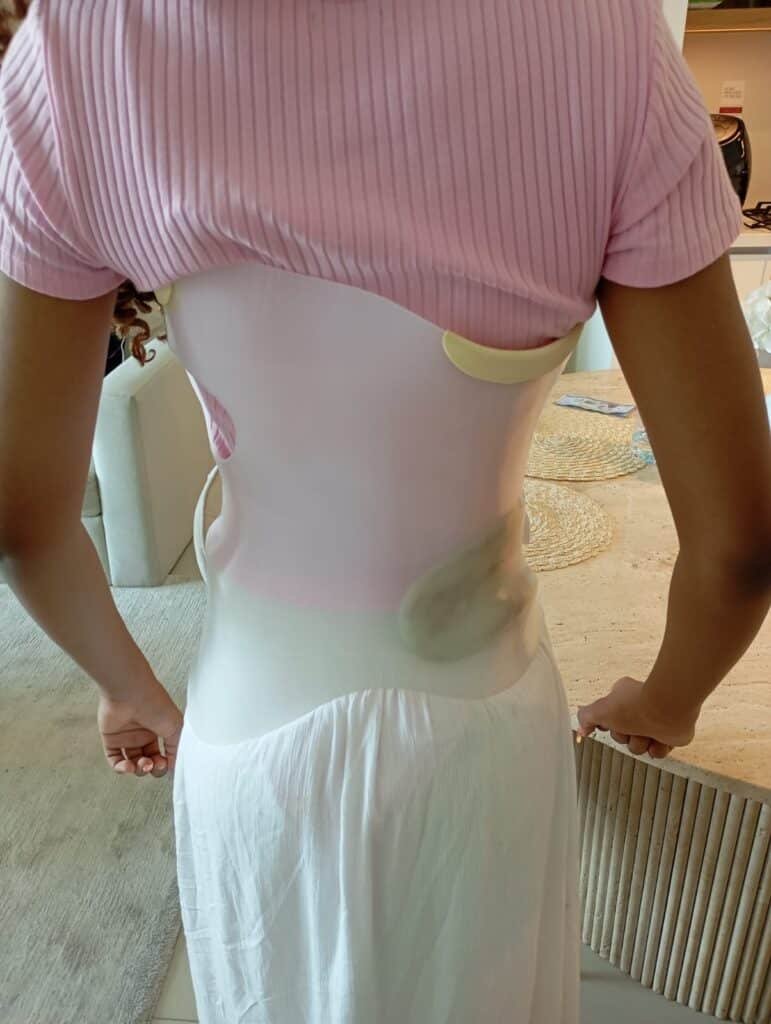
Scoliosis (ස්කොලියෝසිස්) යනු කොඳු ඇට පෙළ පැත්තකට ඇදවීමයි. දත් පෙළගස්වන braces මෙන්, මෙම කොඳු ඇට පෙළේ ආධාරකය මඟින් කොන්ද සම්පූර්ණයෙන්ම කෙළින් කරන්නේ නැත. ඒ වෙනුවට, මෙහි ප්රධාන කාර්යය වන්නේ ඔබ වර්ධනය වන අතරතුර කොන්ද තවදුරටත් ඇදවීම වැළැක්වීම සහ එම වක්රය පවතින මට්ටමින් රඳවා ගැනීමයි.
ඔබගේ අස්ථි පද්ධතියේ වර්ධනය අවසන් වූ පසු, කොඳු ඇට පෙළේ හැඩය බොහෝ දුරට ස්ථාවර වේ. එම අවස්ථාවේදී, වක්රය වේගයෙන් නරක අතට හැරීමට ඇති ඉඩකඩ ඉතා අඩු වන අතර, ආධාරකයේ කාර්යය නිල වශයෙන් අවසන් වේ.
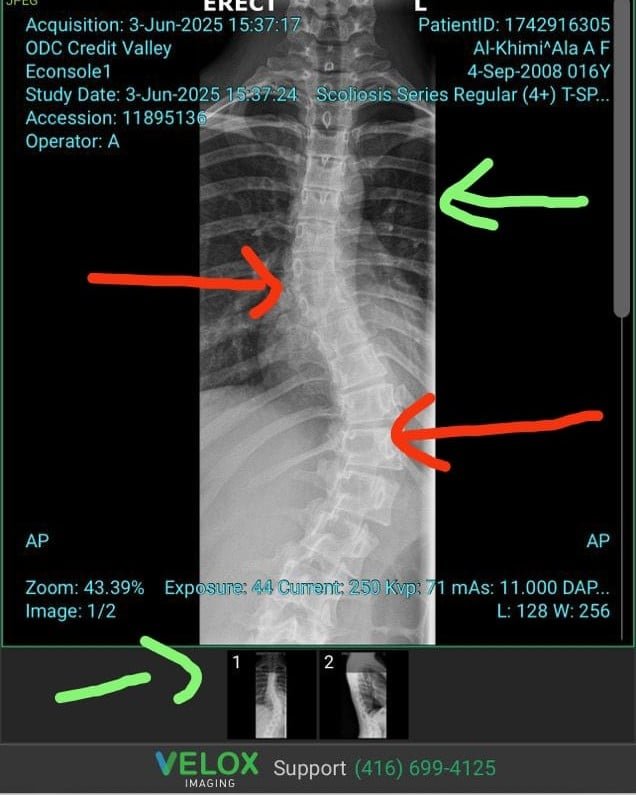
ඔබ මෙම ගමනේ අවසානයට කොතරම් සමීපදැයි දැන ගැනීමට, වෛද්යවරුන් වයස දෙස බැලීමට වඩා නිශ්චිත ජීව විද්යාත්මක සලකුණු කෙරෙහි අවධානය යොමු කරයි:
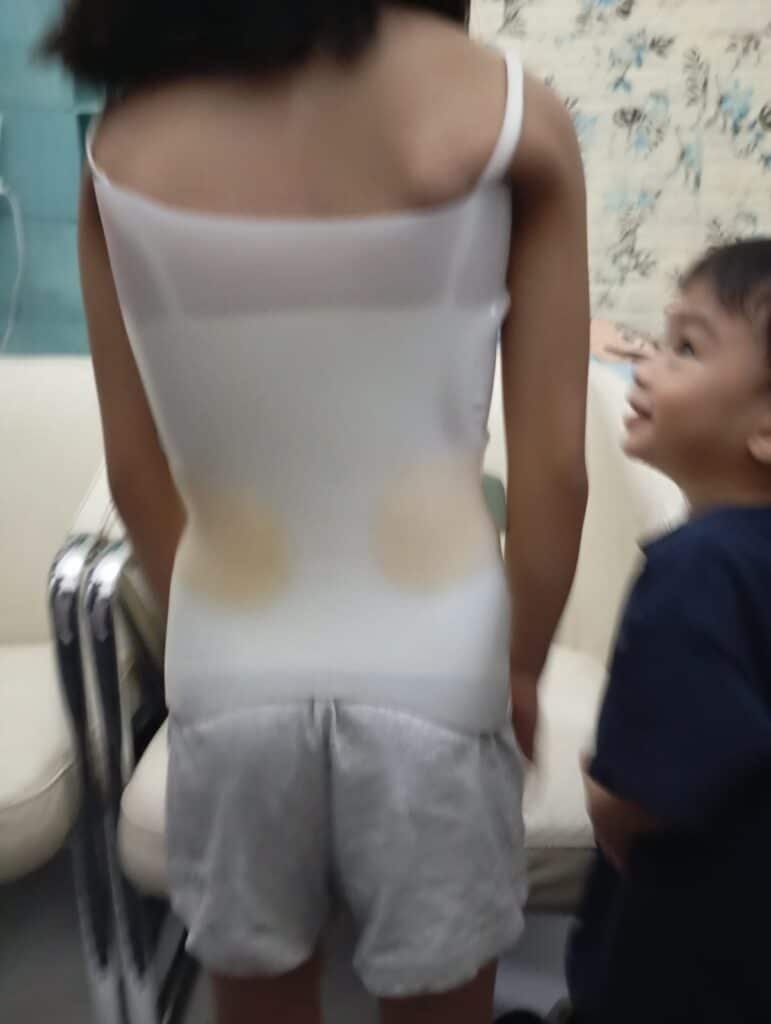
ආධාරකය පැළඳීම යනු උපරිම උත්සාහයකින් ආරම්භ වී ක්රමයෙන් අඩු කරනු ලබන පියවරෙන් පියවර ක්රියාවලියකි.
සාමාන්යයෙන් මෙම ගමන සිදුවන්නේ මෙලෙසයි:
අනුකූලතාවයේ වැදගත්කම (The Compliance Factor): මෙම ප්රතිකාරයේ ඇති වැදගත්ම සත්යය නම්, මෙය සාර්ථක වන්නේ ඔබ එය නියමිත පරිදි පැළඳ සිටියහොත් පමණි. පර්යේෂණවලට අනුව, දිනපතා ආධාරකය පළඳින පැය ගණන සහ කොන්දේ ඇදවීම අංශක 45 ට වඩා අඩුවෙන් තබා ගැනීමට ඇති හැකියාව අතර සෘජු සම්බන්ධතාවයක් ඇත (අංශක 45 ඉක්මවූ විට වෛද්යවරු ශල්යකර්ම පිළිබඳව සලකා බලති).
ආධාරකයකට හුරු වීම අපහසු වුවද, සෑම වසරකම මිලියන සංඛ්යාත යෞවනයන් එය සාර්ථකව ජය ගනී.
ආධාරකය පැළඳ සිටින කාලය මේ මොහොතේ ඔබට මුළු ජීවිත කාලයම මෙන් දැනිය හැකි වුවද, එය නිරෝගී, ක්රියාශීලී අනාගතයක් වෙනුවෙන් ඔබ කරන තාවකාලික කැප කිරීමකි. අධෛර්යමත් නොවී, ශක්තිමත්ව මුහුණ දෙන්න!
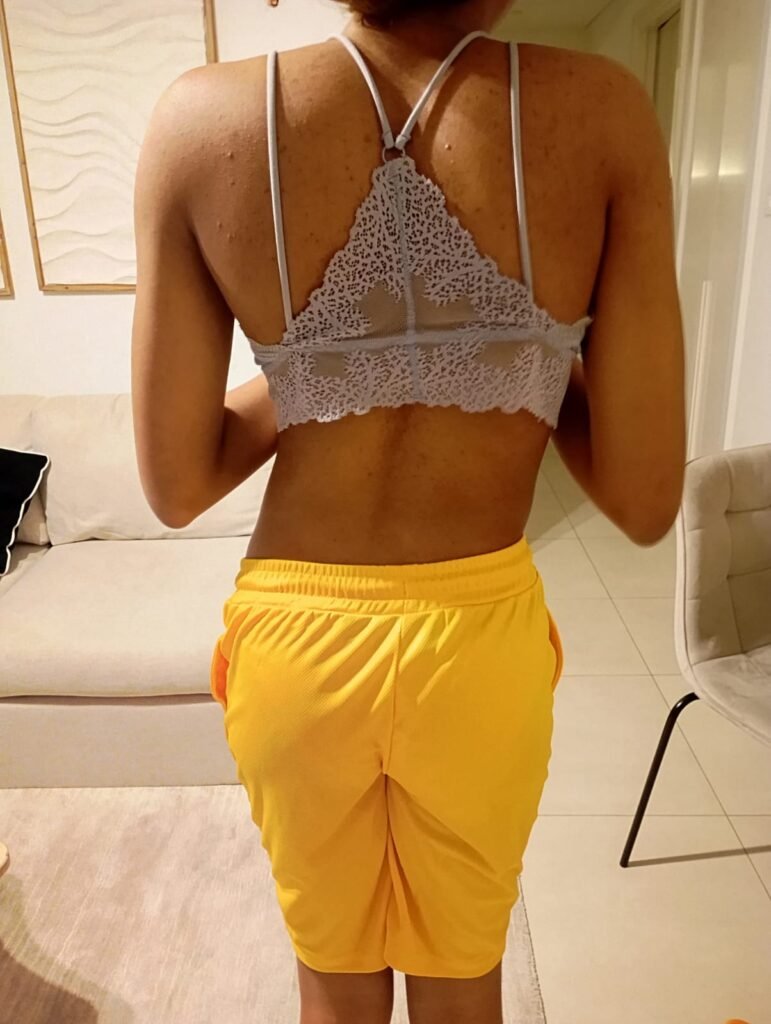
translate in sinhala: How Long Do You Actually Have to Wear a Scoliosis Brace? in sri lanka 0762843063
If you or your teenager just found out a scoliosis brace is in your future, it’s completely normal to feel a mix of overwhelm, frustration, and a massive desire for a countdown clock. The very first question almost everyone asks is: “How many years do I have to wear this thing?”
Let’s cut straight to the chase: There is no single magic number, but for most people, bracing lasts between 2 to 5 years.
The exact timeline isn’t determined by a calendar; it is entirely dictated by bone growth. Your bracing journey ends when your bones stop growing.
Why Is the Timeline Tied to Your Bones?
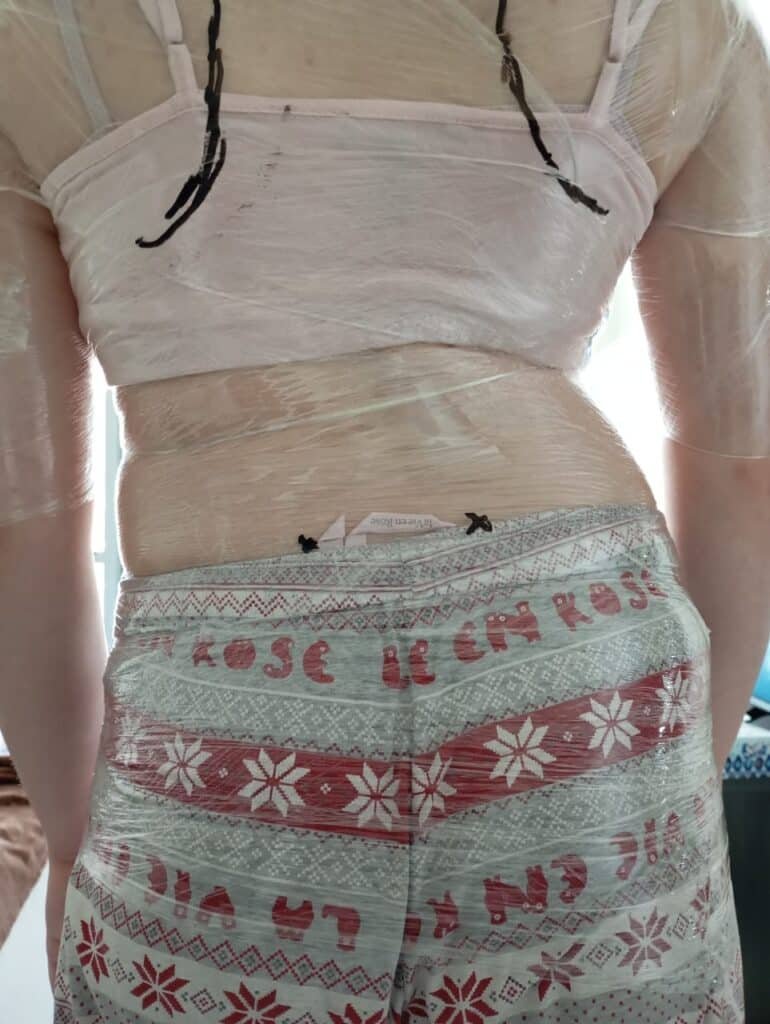
Scoliosis is a sideways curvature of the spine. A scoliosis brace doesn’t permanently straighten a spine like braces straighten teeth; instead, its primary job is to hold the curve in place and prevent it from getting worse while you grow.
Once your skeleton finishes growing, your spine’s shape is largely locked in. At that point, the curve is highly unlikely to worsen rapidly, and the brace has officially done its job.
Determining “Skeletal Maturity”
To figure out how close you are to the finish line, doctors look at specific biological markers rather than age:
The Risser Sign: This is a 0-to-5 scale measured via X-ray that tracks how much the growth plates on the pelvis have solidified. A Risser score of 4 or 5 indicates that growth is ending, which is usually the green light to wean off the brace.
For Girls: Growth typically winds down about 1.5 to 2 years after their first menstrual period.
For Boys: Growth spurts happen later and slower, often concluding around ages 16 to 18.
What Does the Bracing Journey Look Like?
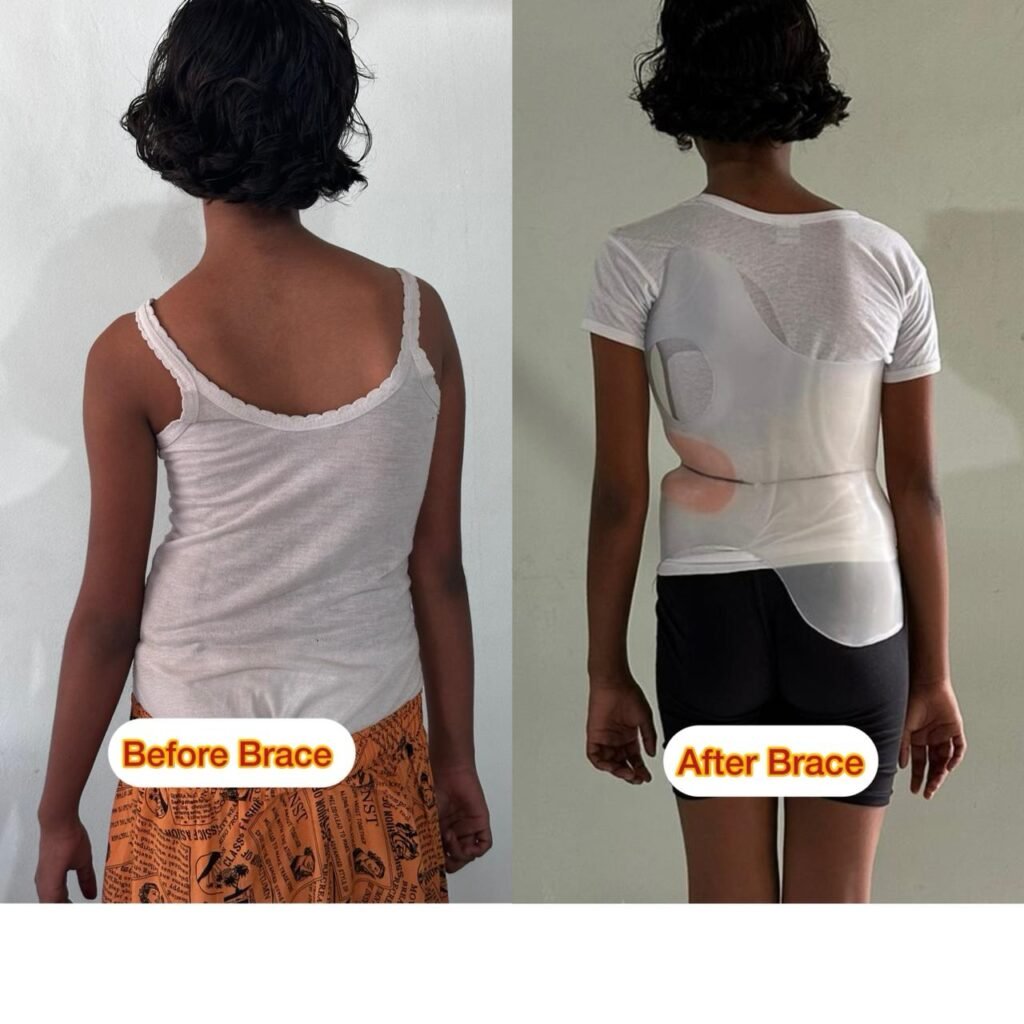
Bracing is a gradual process that starts with maximum effort and slowly tapers off.
Here is what the typical milestone timeline looks like:
Phase 1: Full-Time Wear
Years 1 to 3+
You will wear the brace between 16 to 23 hours a day, depending on your doctor’s prescription. The more hours you wear it, the more effective it is at stopping curve progression.
Phase 2: Weaning Off
Last 6 to 12 Months
Once your X-rays show your bones are reaching maturity, your doctor will slowly reduce your hours—perhaps letting you wear it only at night or during school.
Phase 3: Freedom!
Skeletal Maturity Reach
You stop wearing the brace entirely. Your doctor will monitor your spine with periodic follow-up X-rays to ensure the curve remains stable.
The Compliance Factor: The hardest truth about bracing is that it only works when you wear it. Research shows a direct link between the number of hours the brace is worn daily and the success of keeping the curve under 45 degrees (the typical threshold where doctors start discussing surgery).
Tips to Make the Years Pass Faster
Adjusting to a brace is tough, but millions of teens make it through every year with flying colors.
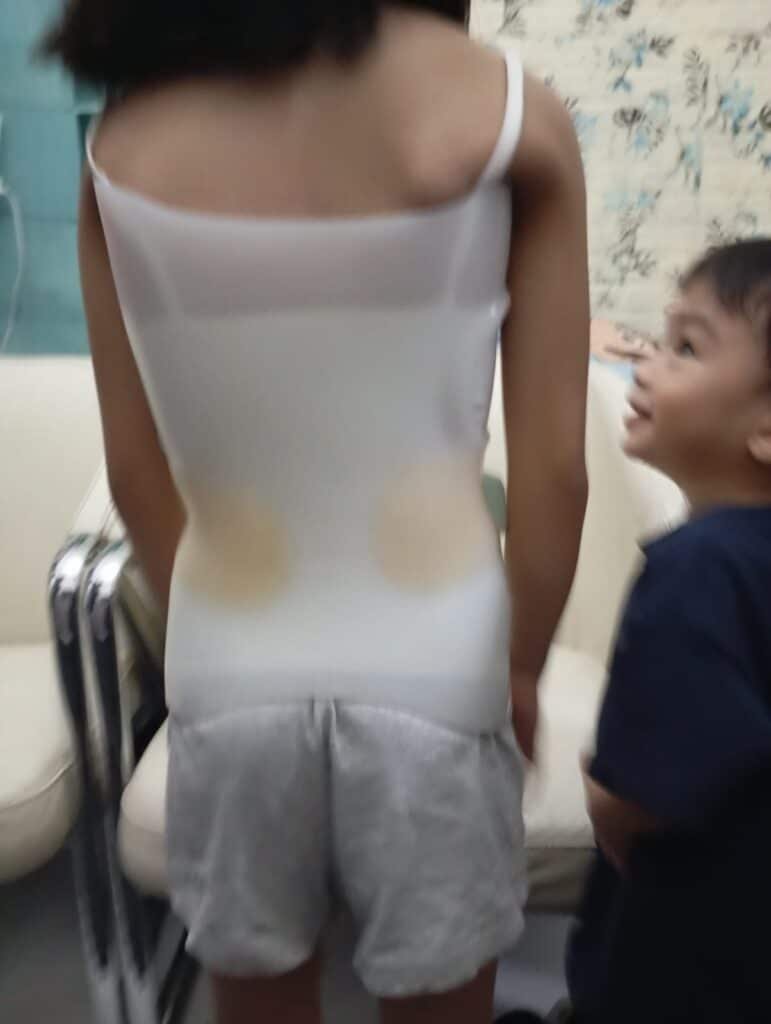
Choose seamless undershirts: Moisture-wicking, seamless cotton tank tops worn under the brace will protect your skin from chafing and irritation.
Stay active: Keeping your core and back muscles strong is crucial. Unless your doctor says otherwise, take the brace off for sports, dance, or swimming.
Get creative with fashion: Oversized tees, layered looks, and high-waisted pants easily camouflage modern low-profile braces.
The years in a brace might feel like a lifetime right now, but they are a temporary investment in a healthy, active future. Hang in there—one day at a time!