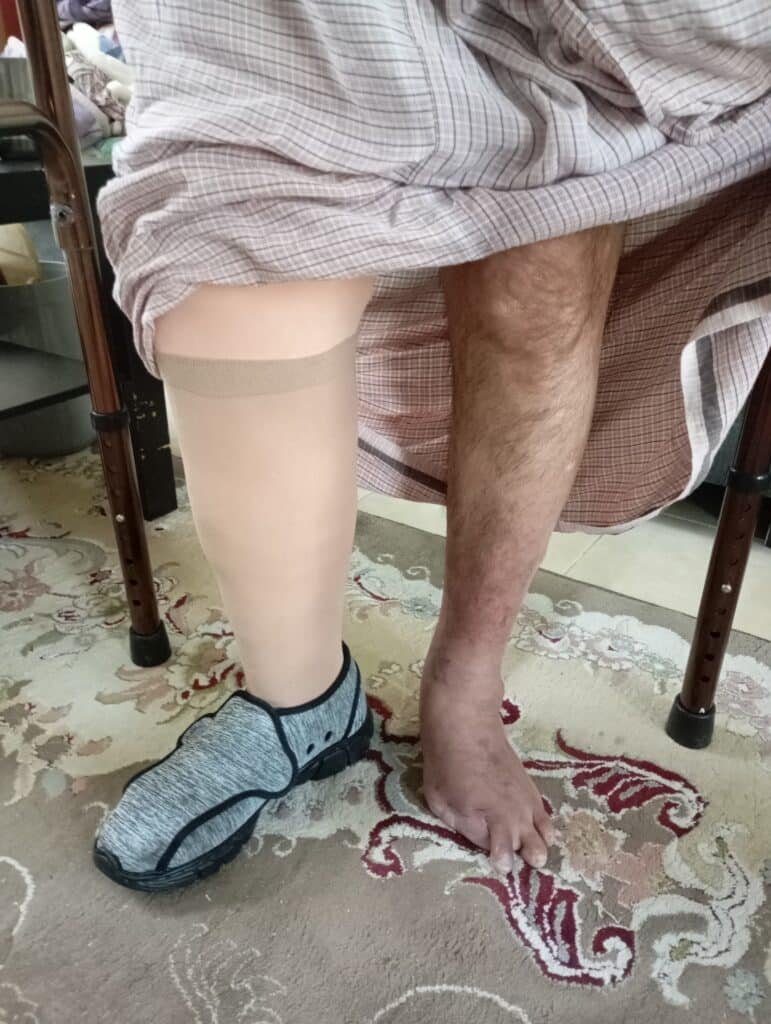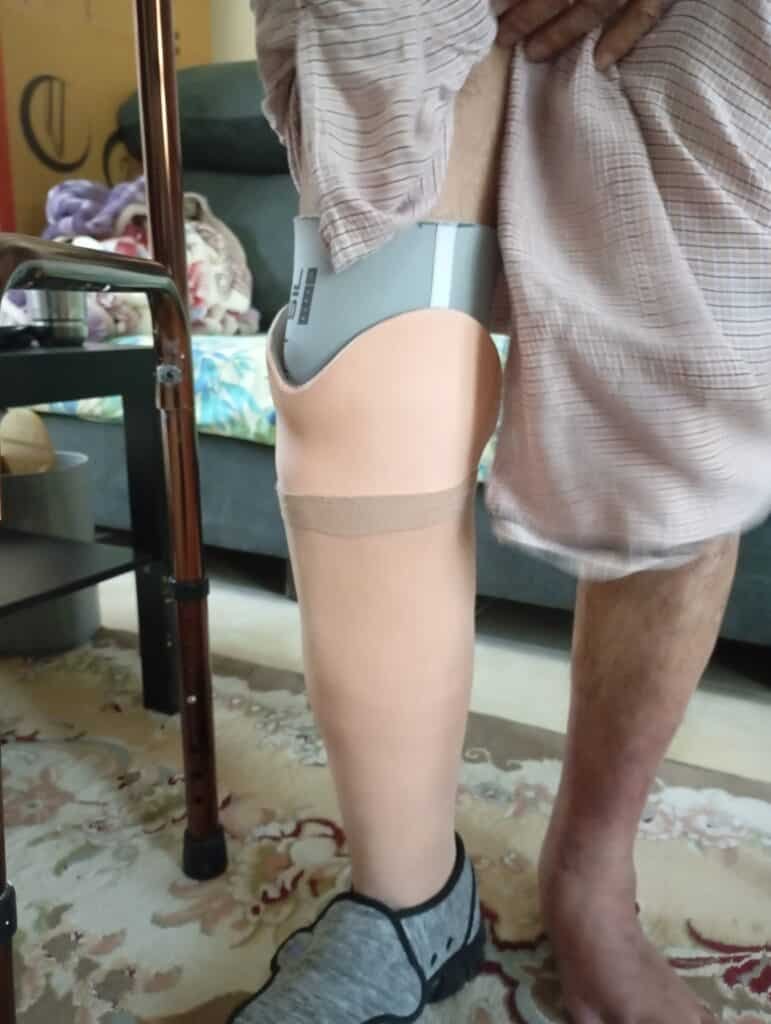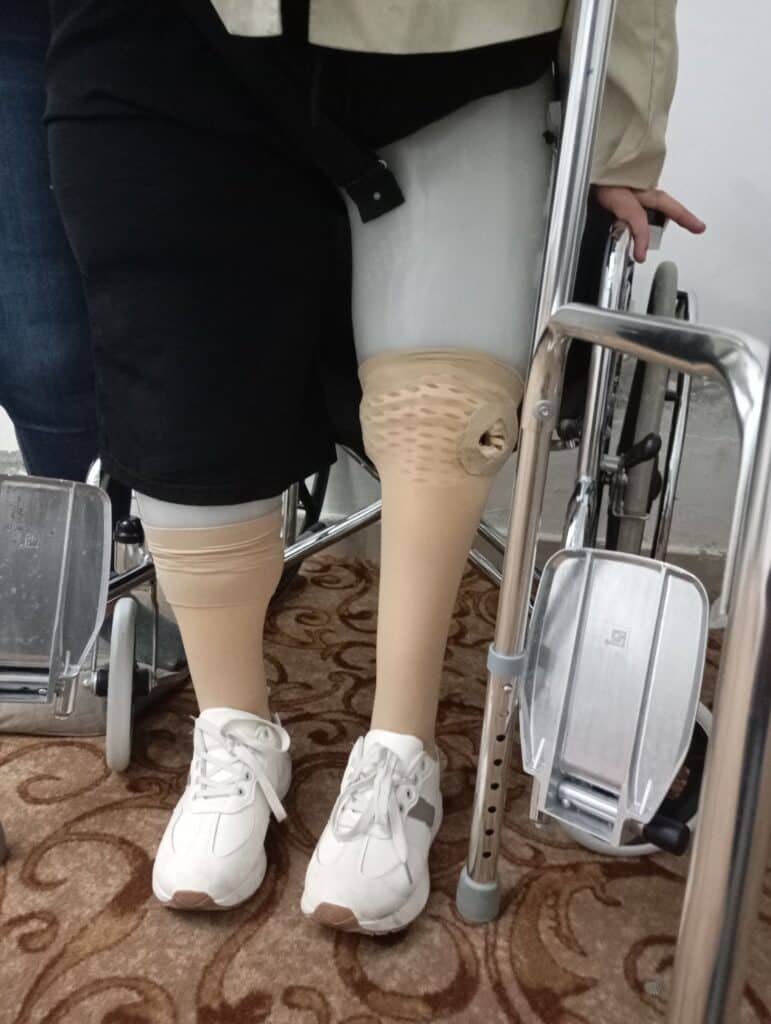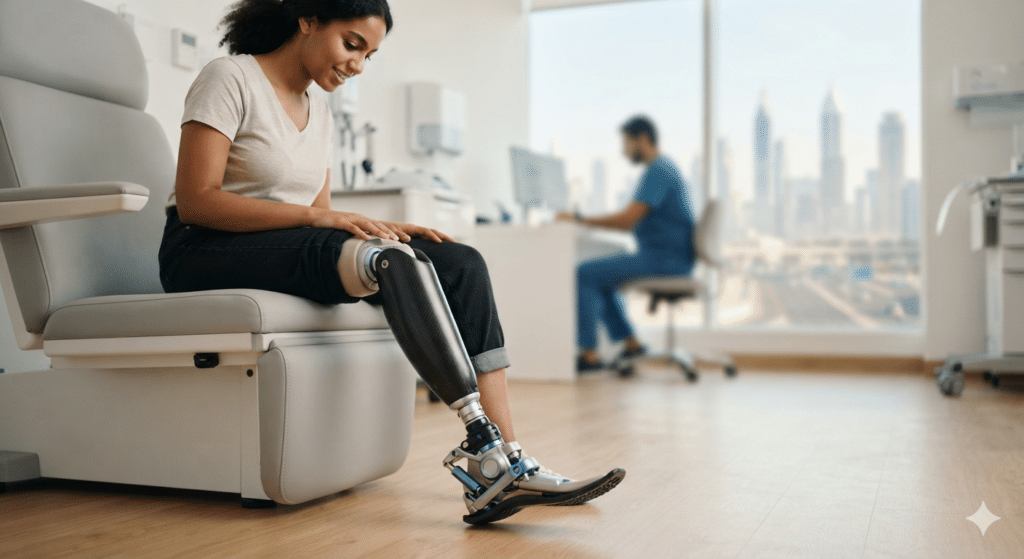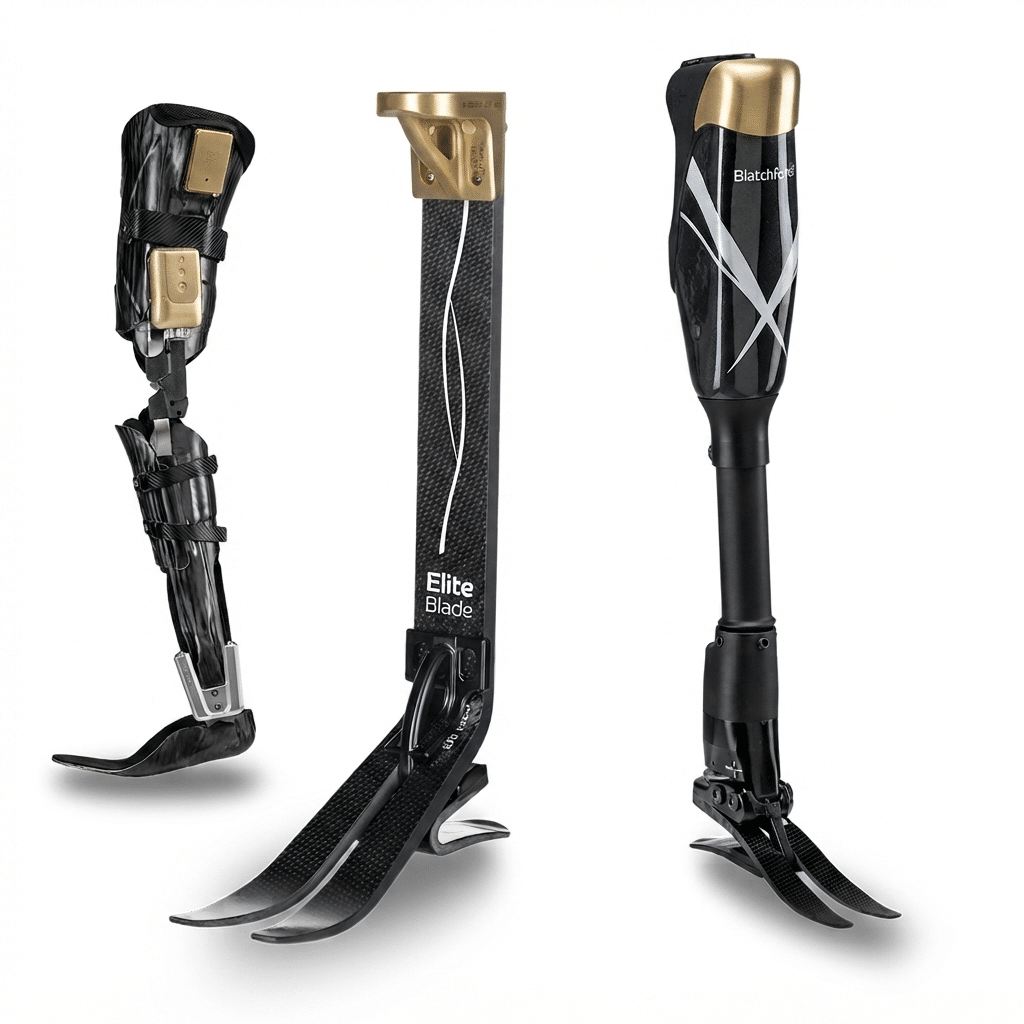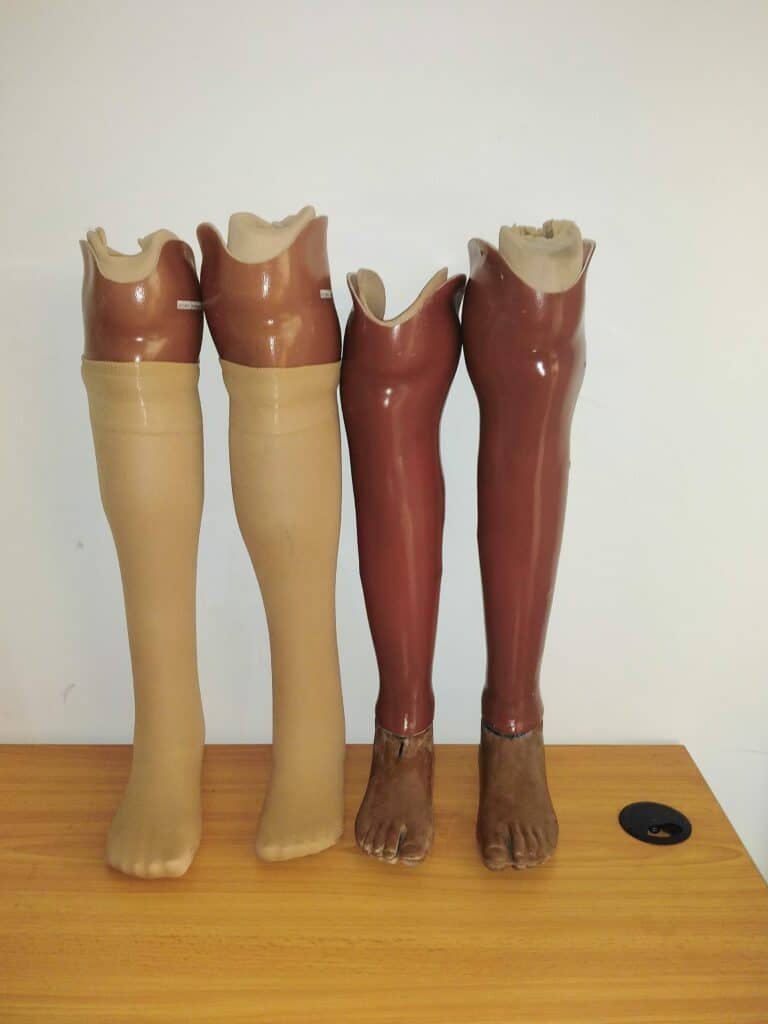
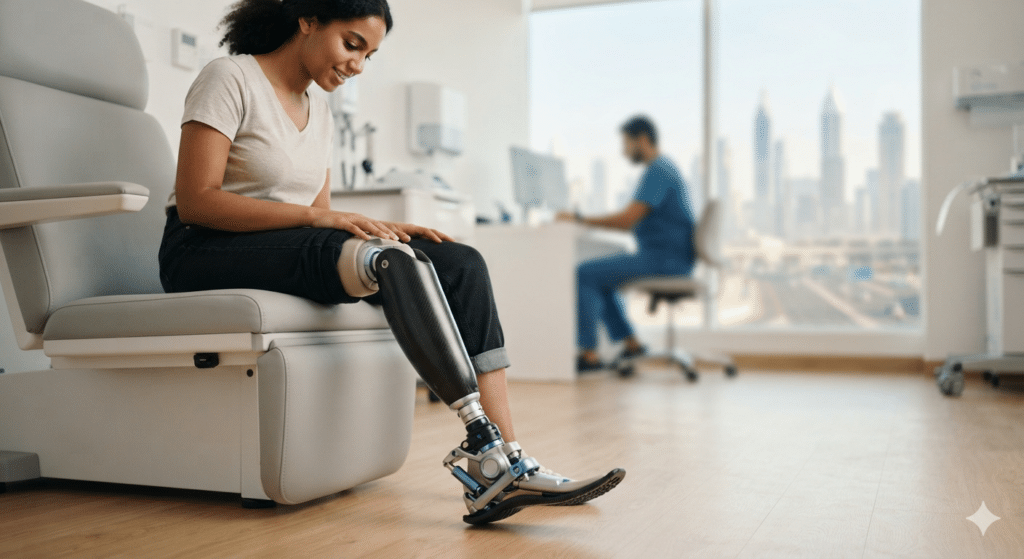
Losing a limb is a deeply life-altering event, but it does not mean the end of your independence, active lifestyle, or personal goals. Thanks to remarkable advancements in engineering and medical science, modern artificial limbs—also known as prosthetics—are more comfortable, functional, and natural-feeling than ever before.
Whether you are exploring options for yourself or a loved one, understanding the different types of artificial limbs, how they are customized, and what to look for during the fitting process is the first step toward reclaiming your daily rhythm.
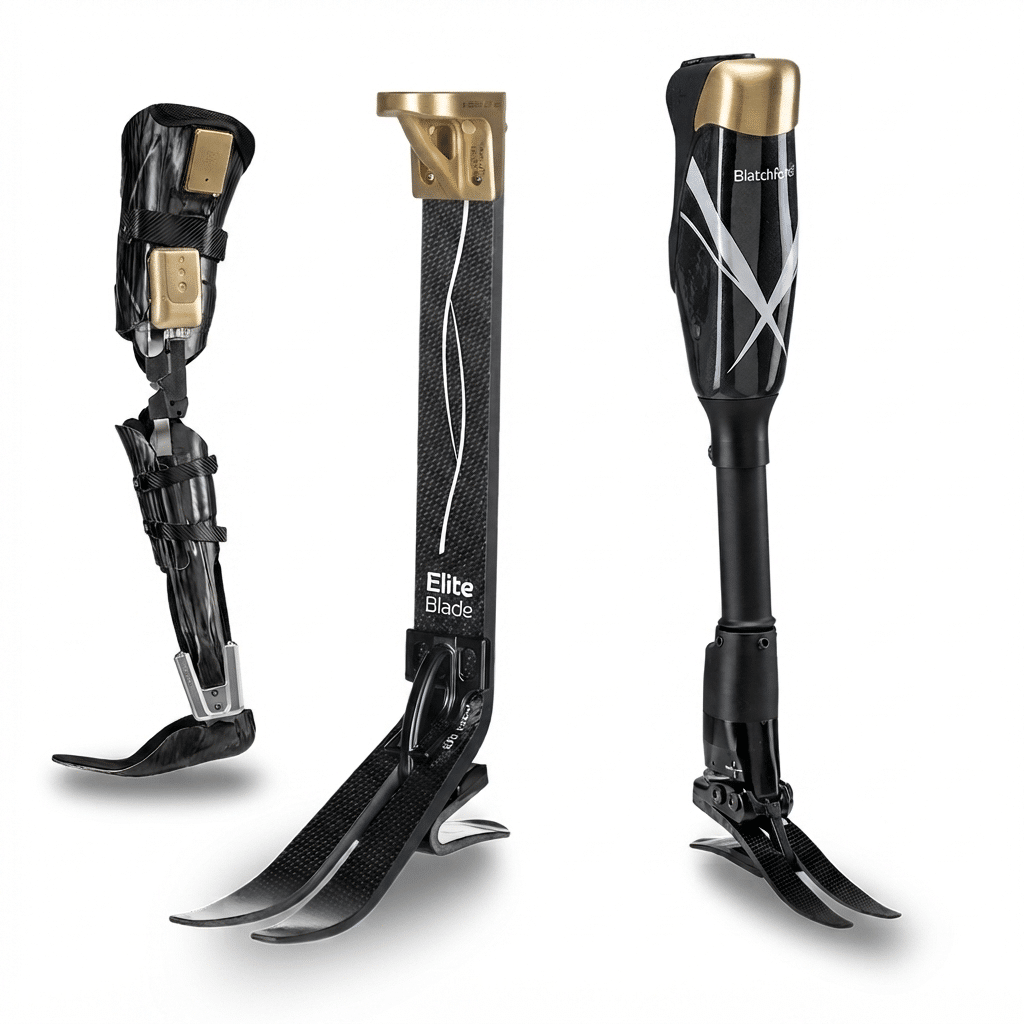
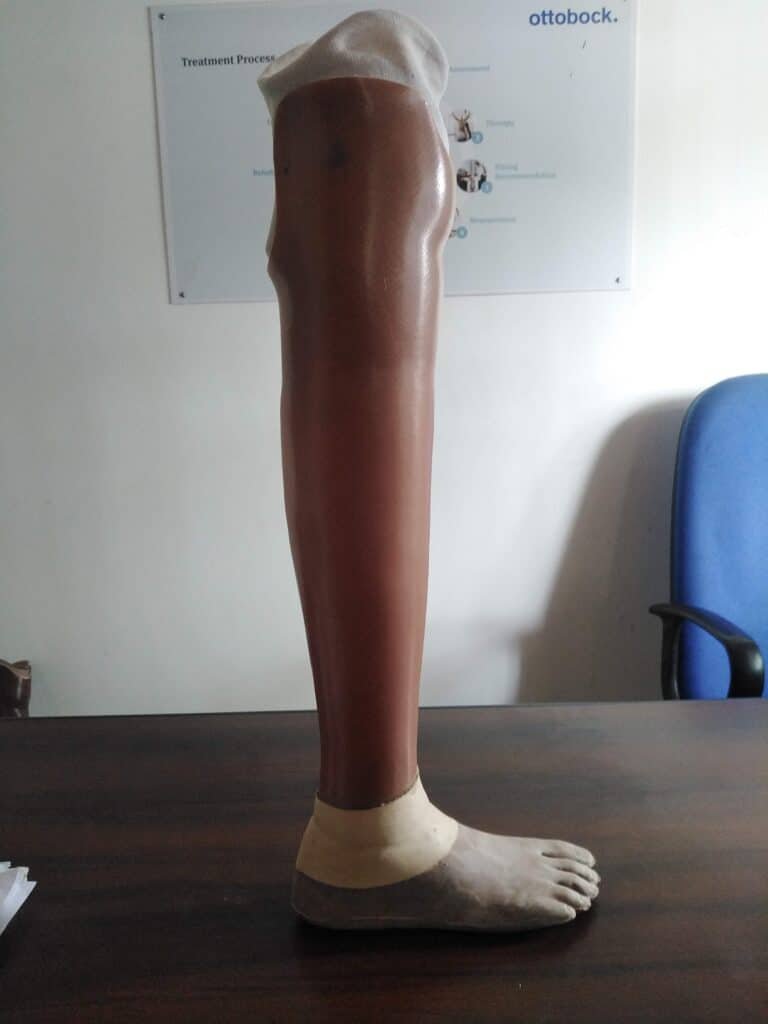
Prosthetic devices are generally divided into two main categories depending on the area of limb loss:
These devices are designed to restore balance, stability, and natural walking mechanics.
Unlike lower-limb devices that focus primarily on carrying body weight, upper-limb prosthetics are highly focused on fine motor skills and daily tasks like holding, gripping, and writing.
When choosing an artificial limb, it is easy to get caught up in high-tech brochures and flashy features. However, a truly successful prosthetic experience relies heavily on three fundamental areas:
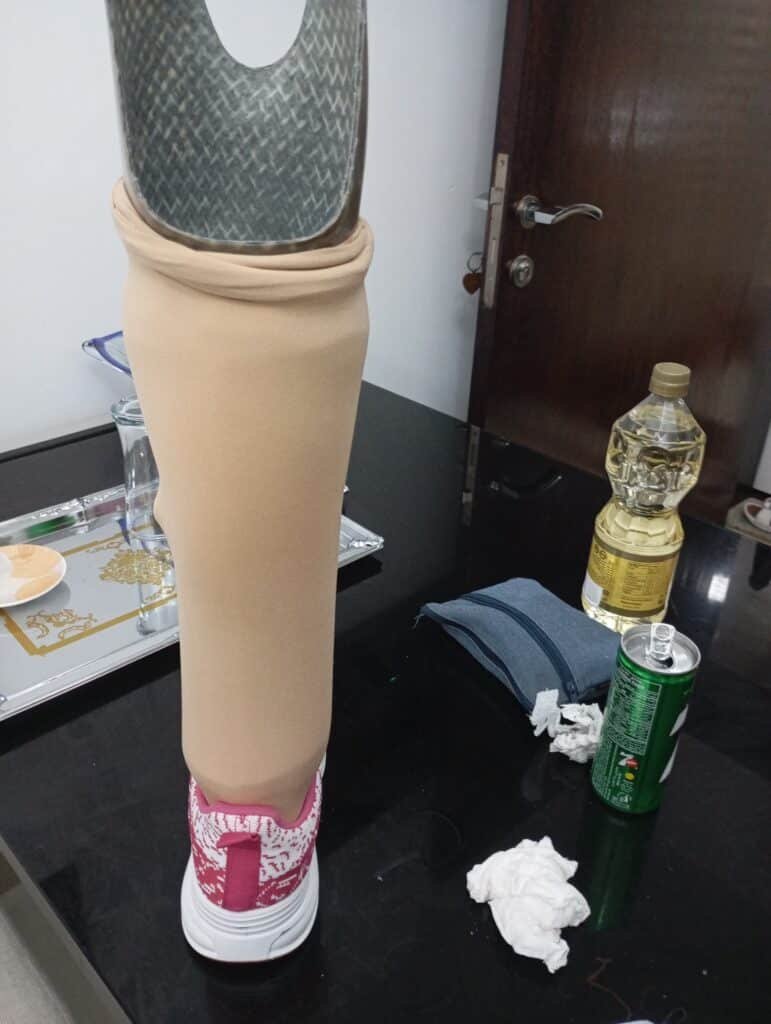
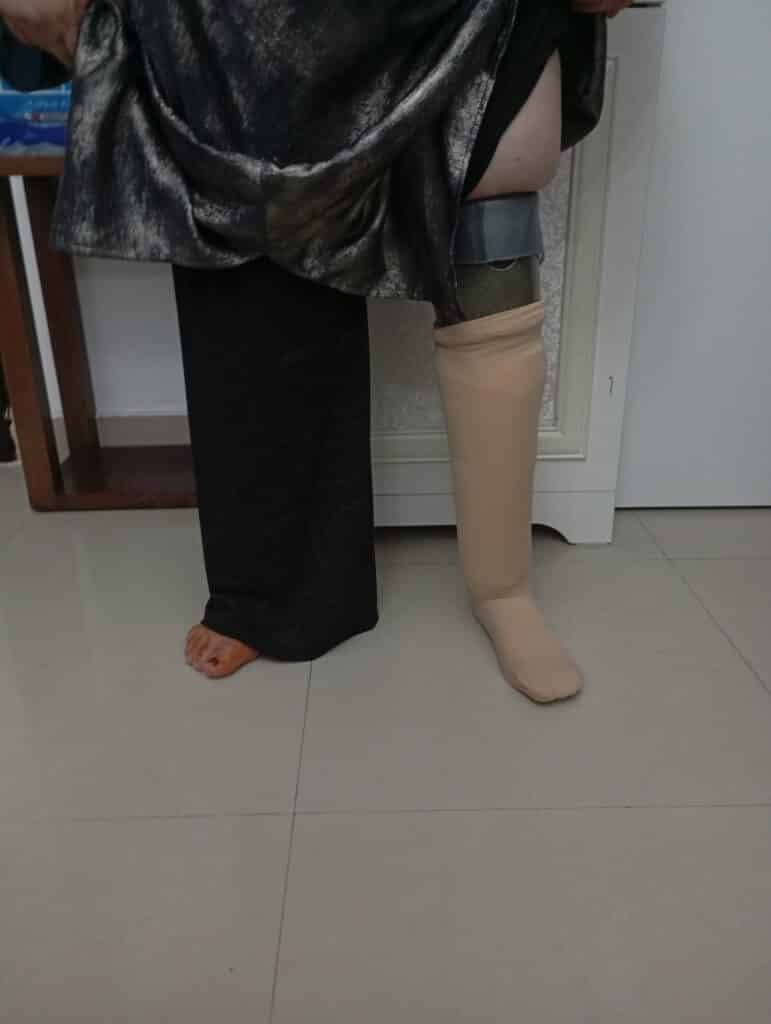
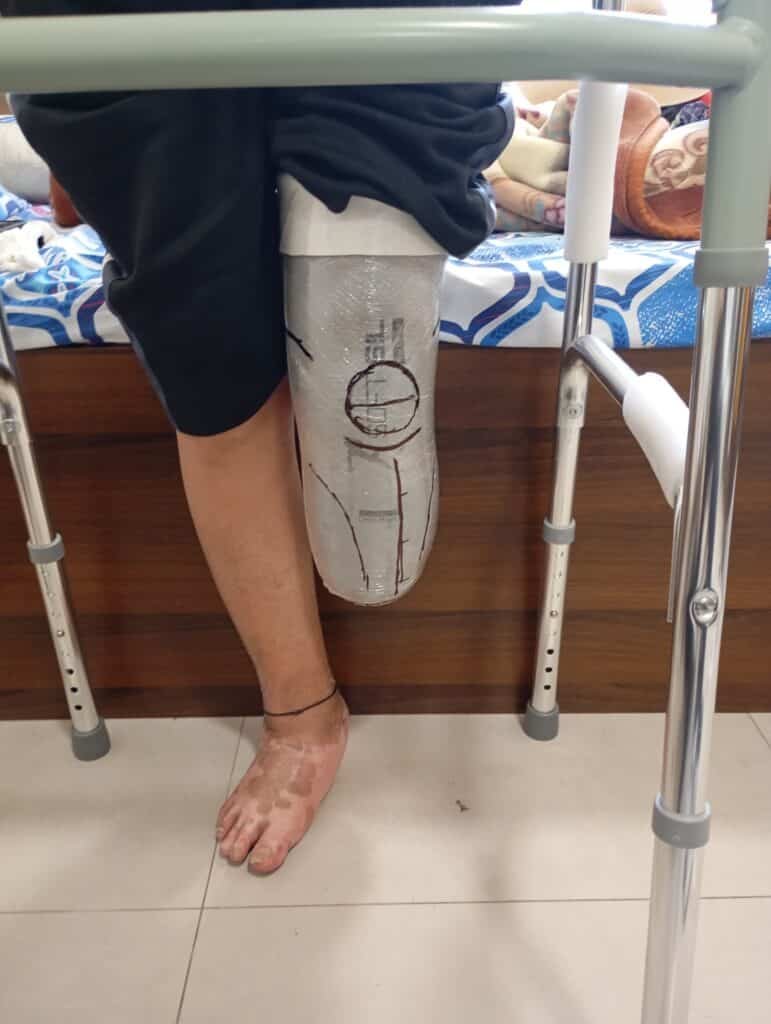
The socket is the most critical part of any prosthesis. It is the custom-fabricated interface that connects the device to your residual limb. A poorly fitting socket can cause severe skin irritation, pressure sores, and fatigue, while a perfectly crafted socket feels secure and distributes your weight evenly.
Modern prosthetics have largely moved away from heavy metals. Today, they utilize advanced materials like carbon fiber, titanium, and lightweight polymers. These materials significantly reduce the weight of the limb, allowing you to walk or move for longer stretches without feeling physically drained.
Even the most expensive prosthetic limb will feel uncomfortable if it is poorly aligned. Clinical specialists must meticulously balance and align the device to match your body’s natural posture and walking patterns. Guided physical rehabilitation and gait training are essential to help you build strength and adapt to your new device.
There is no one-size-fits-all solution when it comes to artificial limbs. When consulting with a prosthetist, consider the following factors:
Getting fitted for an artificial limb is a process of physical and psychological adaptation. With the right clinical support, modern materials, and a custom-fitted socket, you can look forward to a future of restored mobility, comfort, and independence.
Made by Steps Creators Providing compassionate, individualized, and high-quality prosthetic care to help you move forward with confidence.
artificial limbprosthetic limb customization, bionic arm and leg, prosthetic clinic UAE, custom artificial leg fitting